Do I need a Certified Welding Inspector (CWI) for structural steel in Philadelphia?
Yes. Under the Philadelphia Building Code, structural steel fabrication and erection require special inspections by a licensed agency. Viking Engineers (Agency #058351) provides Certified Welding Inspectors to ensure compliance with AWS D1.1 and city regulations.
What types of Non-Destructive Testing (NDT) do you provide?
Beyond visual inspection (VT), we oversee Ultrasonic Testing (UT) for full-penetration welds, Magnetic Particle Testing (MT), Dye Penetrant Testing (PT), and Radiographic Testing (RT) to detect subsurface and internal weld flaws.
What is required to pass an API-1104 high-tensile pipeline inspection?
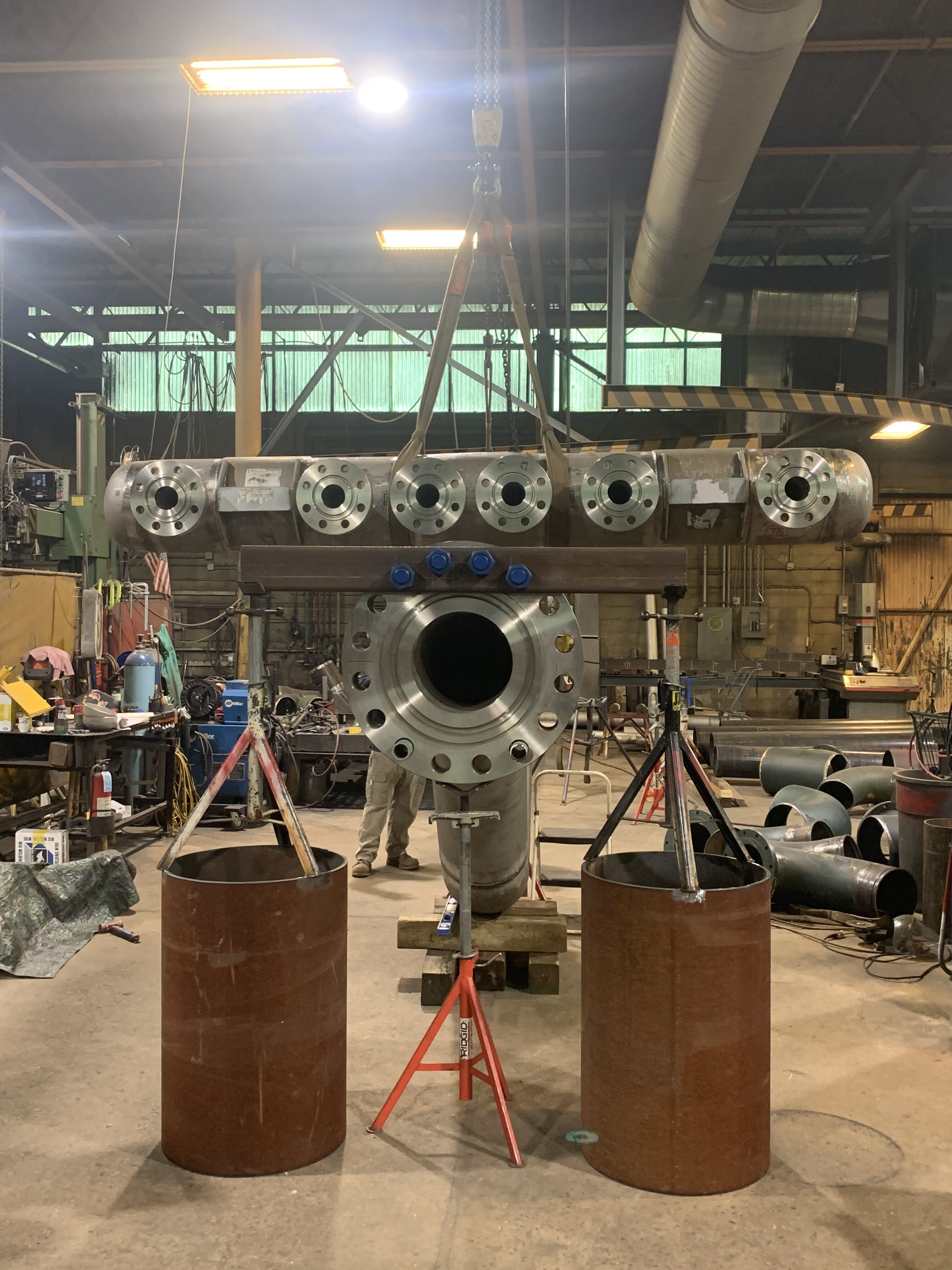
Passing an API-1104 inspection on X65 high-tensile pipe requires flawless execution and passing three levels of QA/QC paperwork. During strict DOT and PHMSA audits, inspectors will rigorously verify welding machine calibrations, welder travel speeds, and demand 100% Non-Destructive Testing (NDT) compliance before the pipeline can be cleared.
Why is 321 heavy-wall stainless steel so difficult to weld?
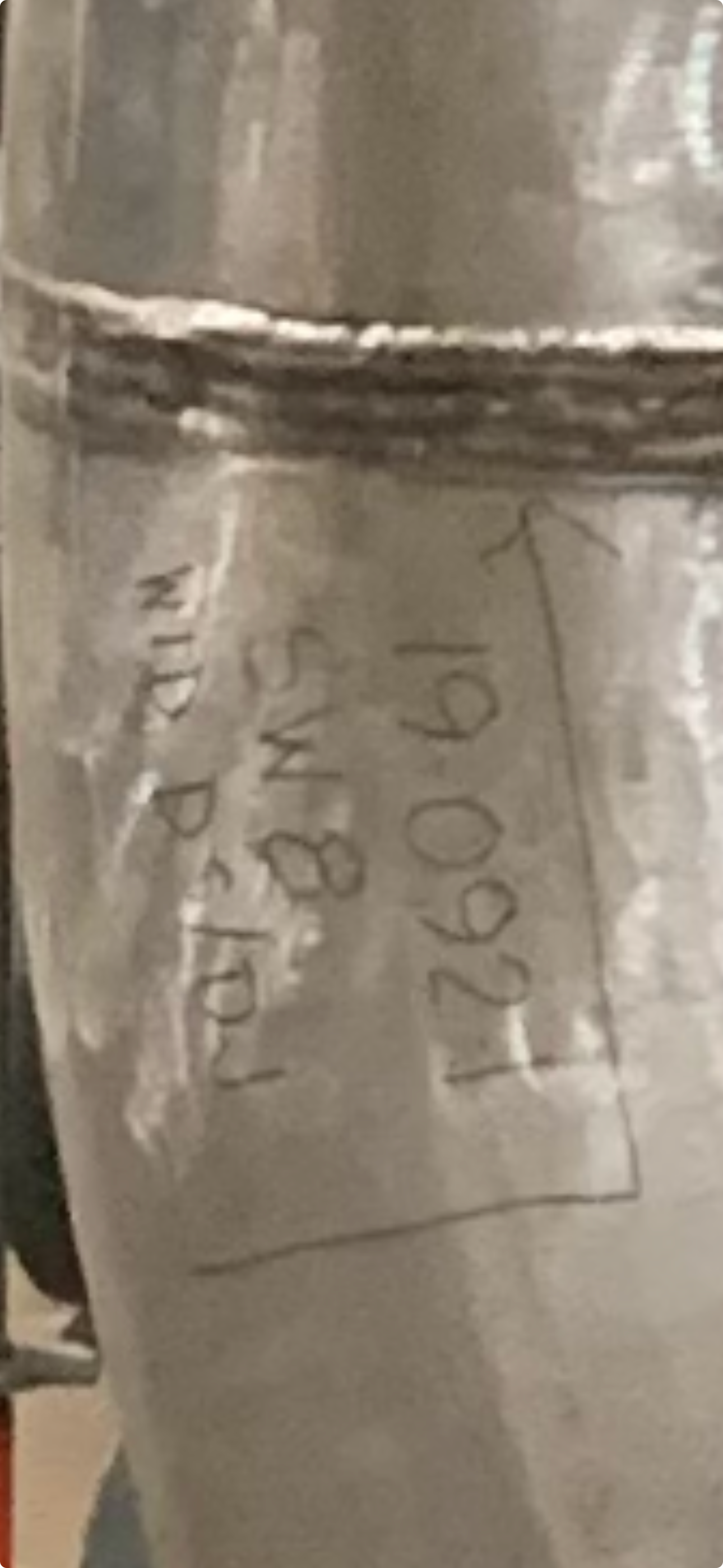
Welding 321 schedule 80 heavy-wall stainless steel requires precise heat management to protect the heat-affected zone (HAZ). It typically requires engineered 37/10 degree compound bevels, continuous pre-heating during the weld, and comprehensive post-weld stress relief (blanket wrapping). Furthermore, all joints and welder IDs must be marked with approved non-chloride markers to prevent material contamination.
What do public school welding gas line inspections entail?
Public school gas lines are critical life-safety municipal infrastructure. Inspections entail rigorous, by-the-book oversight, including the verification of Welder Performance Qualifications (WPQ), visual weld inspections (VT), and witnessing the final pressure tests and NDT to ensure absolute code compliance before a school can be occupied.
What are common AWS D1.1 structural welding code violations?
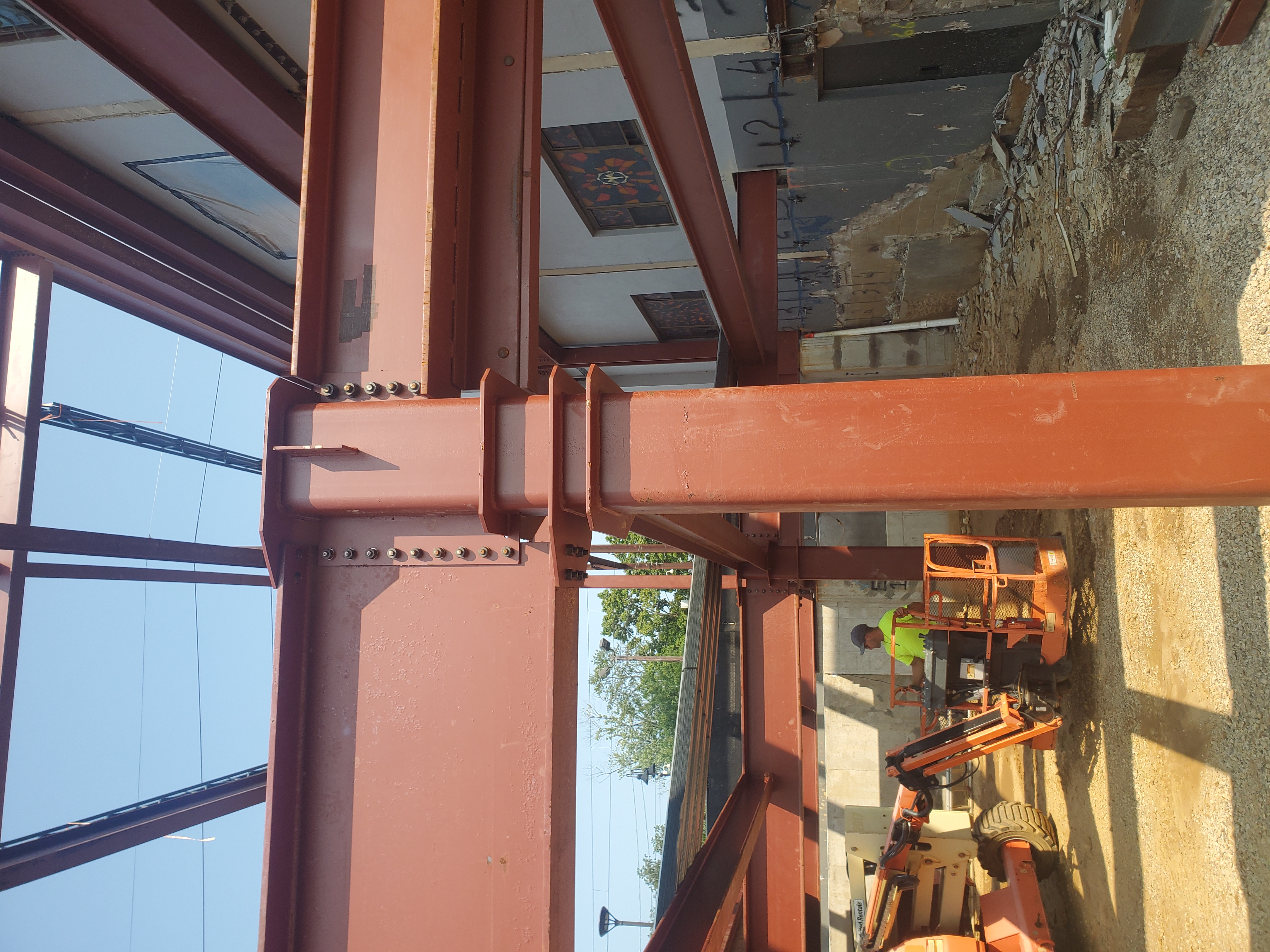
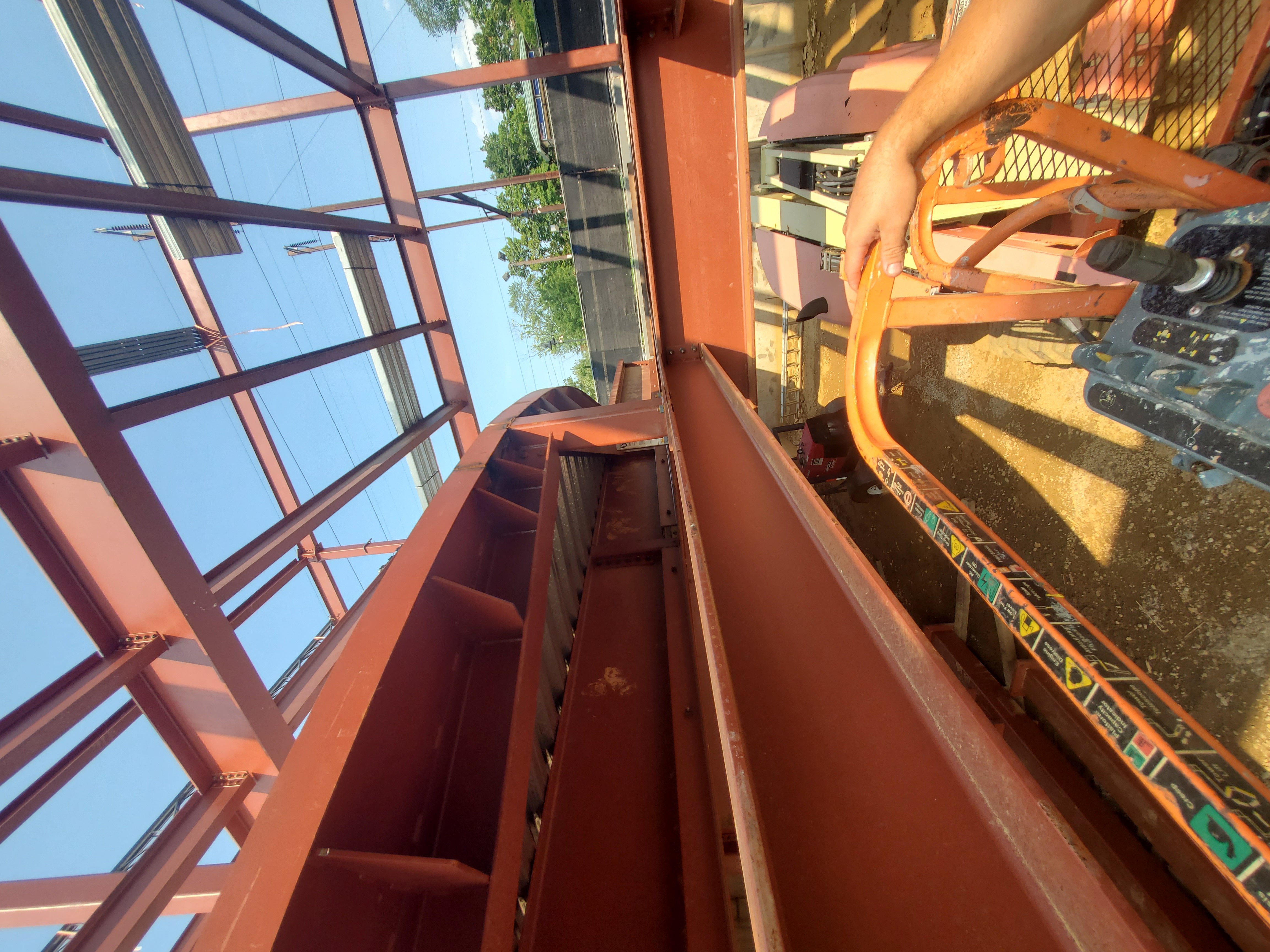
Common structural steel non-conformance issues found on construction sites include unapproved stick welding operations, deficient moment connection gaps, missing shims, and unapproved field modifications by steel fabrication subcontractors.

.jpg)
.jpg)
.jpg)
.jpg)
.jpg)